Source Eco Friendly Bamboo Cutlery for Weddings Parties Coffee Shops
Compare 30 listings of eco friendly bamboo cutlery sets from verified Chinese suppliers. Buyers can evaluate customization options, packaging, and pricing for weddings, parties, and coffee shops.
Key considerations
Products List




Comprehensive Sourcing Guide
Strategic Sourcing Guide for Eco-Friendly Bamboo Cutlery
Understanding Product Specifications and Material Variability
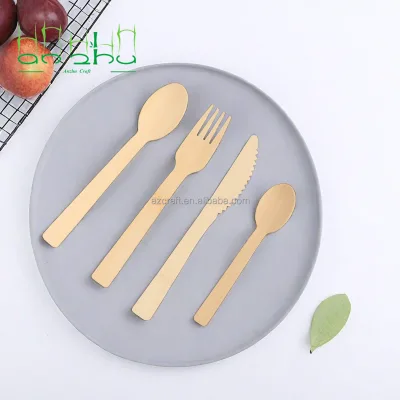
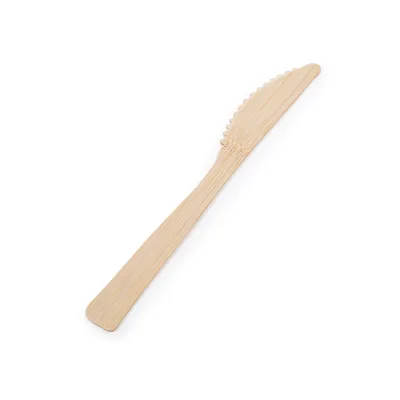
When sourcing eco-friendly bamboo cutlery, buyers must first navigate a landscape of diverse product specifications that often vary significantly between suppliers. The core material is consistently identified as 100% bamboo or general wooden construction, offering a renewable alternative to plastic. However, the physical dimensions and configurations are not uniform across the market. Observed product models indicate specific dimensional standards, such as 140mm by 16mm, 140mm by 23mm, or 140mm by 28mm. Other variations include lengths of 170mm with widths of 21mm or 26mm. Some listings specify a standard length of 160mm, while others note that different sets possess different sizes, requiring precise verification before bulk ordering.
The thickness of the cutlery is another critical specification. Products are often described as "thickening" to ensure durability during use, with specific thickness metrics like 1.8mm observed in certain models. The shape of the cutlery can vary, with square profiles being a common design choice, though other forms exist. Surface finishes are typically described as smooth, which is essential for user comfort and food safety. The color profile is generally the natural bamboo color, maintaining the aesthetic of the raw material without artificial dyes.
Buyers should also note the customization capabilities available in this sector. Many suppliers offer OEM and ODM services, allowing for tailored logo placement and specific packaging configurations. The product model numbers, such as HDP0657, serve as unique identifiers for specific configurations, but the lack of a universal standard means that "bamboo cutlery" can encompass a wide range of physical attributes. It is imperative to request physical samples to verify that the dimensions, thickness, and surface finish meet the specific operational requirements of the intended application, whether for a high-volume restaurant or a boutique event.
Compliance, Certification, and Safety Standards
In the B2B procurement of bamboo cutlery, verifying compliance with international safety and environmental standards is paramount. The supply chain for these products often involves rigorous testing to ensure they meet the needs of commercial buyers in regions such as the USA, Europe, Chile, and Singapore. Several certifications are frequently cited in product listings, including BRC, BSCI, CE, MSDS, and ISO9001. These certifications indicate that the manufacturing facility adheres to specific quality management systems, social compliance standards, and safety protocols.
Food safety is a primary concern for any cutlery intended for human consumption. Buyers must verify that the products comply with FDA standards and hold FSC (Forest Stewardship Council) certification, which ensures the bamboo is sourced from responsibly managed forests. While some background information suggests FSC and BSCI are relevant, the specific status of any given supplier must be confirmed through direct documentation. The presence of these certifications is not merely a marketing claim but a legal and operational necessity for entering regulated markets.
Additionally, the product features often highlight attributes such as being biodegradable, eco-friendly, and disposable. These claims must be backed by the aforementioned certifications. For instance, the MSDS (Material Safety Data Sheet) provides critical information regarding the chemical composition and safety handling of the product, ensuring no harmful substances are present. The CE marking indicates conformity with health, safety, and environmental protection standards for products sold within the European Economic Area. Procurement teams should treat these certifications as mandatory verification points rather than optional features, requesting current certificates from the supplier before finalizing any purchase order.
Cost Drivers and Pricing Dynamics
The pricing structure for eco-friendly bamboo cutlery is influenced by a complex interplay of material costs, manufacturing complexity, and order volume. The observed price range in the market spans from $0 to $72 USD, a variance that reflects differences in product configuration, packaging, and order quantity. It is crucial for buyers to understand that the unit price is rarely static and is heavily dependent on the Minimum Order Quantity (MOQ).
MOQs for bamboo cutlery can vary dramatically, ranging from as low as 50 units to as high as 300,000 units. This wide range indicates that the market serves both small-scale buyers, such as boutique cafes or event planners, and large-scale industrial clients. Higher MOQs typically correlate with lower unit costs due to economies of scale in production and logistics. However, buyers must balance the cost benefits of large orders against their storage capacity and cash flow constraints.
Packaging specifications also play a significant role in the final cost. Options include OPP bags, Kraft bags, or custom cartons. Standard packaging might be 50 pieces per bag with 100 bags per carton, or 100 pieces per bag with 100 bags per carton. Customized packaging solutions, which often include branded logos, will incur additional costs. The choice between a simple carton box and a more elaborate custom package can significantly impact the total landed cost. Furthermore, the origin of the product, whether from Anhui or Zhejiang in China, can influence shipping costs and lead times, which are indirect cost drivers that must be factored into the total procurement budget.
Typical Applications and Commercial Use Cases
Eco-friendly bamboo cutlery is designed for a diverse array of commercial applications, driven by the growing demand for sustainable dining solutions. The primary use cases identified include weddings, parties, coffee shops, and holiday events. These settings often require disposable cutlery that offers a premium aesthetic without the environmental impact of plastic. The "Natural Bamboo Color" and smooth surface finish make these products particularly suitable for high-end events where presentation is key.
In the food service industry, the target commercial buyers include restaurants, fast food establishments, and takeaway food services. The cutlery sets are often customizable, allowing buyers to select optional combinations of knives, spoons, and forks to suit specific menu requirements. The product features, such as anti-skidding, antibacterial, and anti-friction properties, enhance the user experience in these high-volume environments. For instance, the anti-skidding feature is crucial for ensuring stability during use, while antibacterial properties contribute to hygiene standards.
Beyond food service, bamboo cutlery finds applications in other sectors. It is marketed as a promotion gift, suitable for corporate branding and promotional campaigns. The versatility of the product extends to home furniture and kitchen equipment categories, although the primary focus remains on disposable or semi-disposable cutlery sets. The "Flexible Design" allows for adaptation to various dining scenarios, from casual outdoor picnics to formal indoor gatherings. Buyers should align their procurement strategy with these specific use cases to ensure the selected product meets the functional and aesthetic demands of their customers.
Supplier Evaluation and Quality Control Protocols
Selecting a reliable supplier for bamboo cutlery requires a rigorous evaluation process that goes beyond simple price comparisons. Buyers should prioritize suppliers who demonstrate transparency in their manufacturing processes and supply chain. Key evaluation criteria include the supplier's location, with major production hubs identified in Anhui and Zhejiang, China. The origin of the product can impact the consistency of the bamboo material and the efficiency of the logistics chain.
Quality control is a critical component of the procurement process. Buyers must verify that the supplier has established protocols for maintaining product consistency. This includes checking for surface smoothness, dimensional accuracy, and the integrity of the packaging. The "Thickening" attribute suggests a focus on durability, but this must be verified through physical inspection. Suppliers should provide samples that match the specifications of the bulk order, including the exact dimensions and material composition.
The sample time is another indicator of supplier efficiency, with some providers offering samples within 4 days. This rapid turnaround allows buyers to test the product quality before committing to large orders. Additionally, the supplier's ability to handle customized orders, such as adding a logo or altering packaging specifications, is a vital capability. Buyers should assess the supplier's track record in handling OEM and ODM requests to ensure they can meet specific branding and design requirements.
Long-Term Procurement Considerations and Sustainability
Sourcing eco-friendly bamboo cutlery is not just a transactional decision but a strategic move toward long-term sustainability. The biodegradable nature of the product aligns with global trends toward reducing plastic waste. However, buyers must consider the long-term implications of their procurement choices, including the reliability of the supply chain and the scalability of the product.
The "Disposable Eco Friendly Stocked Biodegradable" feature is a key selling point, but buyers should ensure that the biodegradability claims are supported by verifiable data and certifications. The environmental impact of the product lifecycle, from sourcing to disposal, should be evaluated to ensure it meets the company's sustainability goals. Furthermore, the flexibility of the product design allows for adaptation to changing market demands, making it a resilient choice for long-term procurement.
Buyers should also consider the potential for volume growth. As the market for sustainable dining solutions expands, the ability to scale orders without compromising quality or lead times is essential. Suppliers with a proven track record of handling large MOQs, up to 300,000 units, are better positioned to support this growth. Additionally, the availability of standardized certifications like ISO9001 and BRC ensures that the supplier can maintain consistent quality as production volumes increase.
Comparative Analysis of Product Attributes
To facilitate decision-making, buyers can utilize a comparative analysis of key product attributes. The following table summarizes the observed variations in specifications, materials, and certifications found in the market.
| Attribute | Observed Variation | Key Consideration for Buyers |
|---|---|---|
| Material | 100% Bamboo, Wooden | Verify 100% bamboo content for true eco-claims. |
| Dimensions | 140mm, 160mm, 170mm (various widths) | Match dimensions to specific cutlery type (fork vs. spoon). |
| Thickness | 1.8mm, Thickening | Ensure sufficient thickness for durability in high-volume use. |
| Certifications | BRC, BSCI, CE, MSDS, ISO9001, FDA, FSC | Require valid, current certificates for target markets. |
| Packaging | OPP Bag, Kraft Bag, Carton, Custom | Evaluate packaging costs and branding requirements. |
| MOQ | 50 to 300,000 units | Align order size with storage capacity and cash flow. |
| Origin | Anhui, Zhejiang, China | Consider logistics and lead time implications. |
| Features | Anti-skidding, Antibacterial, Biodegradable | Verify functional claims through testing or samples. |
This comparison highlights the importance of detailed specification checks. While the core keyword "eco-friendly bamboo cutlery" defines the category, the specific attributes of each product can vary significantly. Buyers must use this data to filter suppliers and products that align with their specific operational and sustainability requirements. By focusing on these tangible attributes, procurement teams can make informed decisions that balance cost, quality, and environmental impact.
FAQs
What certifications do eco friendly bamboo cutlery suppliers hold?
Suppliers often hold BRC, BSCI, CE, MSDS, and ISO9001 certifications. These documents verify compliance with quality management and safety protocols for international markets like the USA and Europe.
How can I customize the logo on the cutlery sets?
You can request a customized logo on the bamboo cutlery sets. Suppliers typically offer OEM and ODM services to accommodate specific branding requirements for weddings, parties, or corporate events.
What are the standard dimensions for the bamboo cutlery?
Standard sizes include 140mm by 16mm, 140mm by 23mm, or 170mm by 21mm. Some models feature a thickness of 1.8mm, while others allow for customized dimensions based on buyer needs.
Can I order small quantities of disposable bamboo cutlery?
Yes, minimum order quantities can start as low as 50 units. However, bulk orders up to 300,000 units are also available to achieve lower unit costs through economies of scale.
Where are the bamboo cutlery products manufactured?
Products are primarily manufactured in Anhui and Zhejiang, China. These locations serve as major production hubs for sourcing eco-friendly wooden and bamboo dining solutions for global distribution.
What packaging options are available for bulk orders?
Packaging options include OPP bags, Kraft bags, and custom cartons. Standard configurations often feature 50 or 100 pieces per bag with 100 bags per carton for efficient shipping.
How long does it take to receive a product sample?
Sample time is typically around 4 days for most suppliers. This rapid turnaround allows buyers to verify surface smoothness and dimensions before committing to large production orders.